


About Kedarnath
Kedarnath is a Hindu temple dedicated to Lord Shiva and is located in the Indian state of Uttarakhand. It is one of the twelve Jyotirlingas, or sacred shrines where Lord Shiva is worshipped in the form of a lingam, a phallic symbol. The temple is located in the Garhwal Himalayas, near the Mandakini River and is considered to be one of the most sacred places for Hindus. It is also a popular pilgrimage site and is visited by thousands of devotees every year, especially during the Char Dham Yatra.
Kedarnath temple is believed to have been built by the Pandavas, the five brothers from the Indian epic Mahabharata, during their exile. The temple is also believed to be the site where Lord Shiva absolved the Pandavas of their sins. The temple is constructed in the traditional North Indian style of architecture and is adorned with intricate carvings and sculptures.
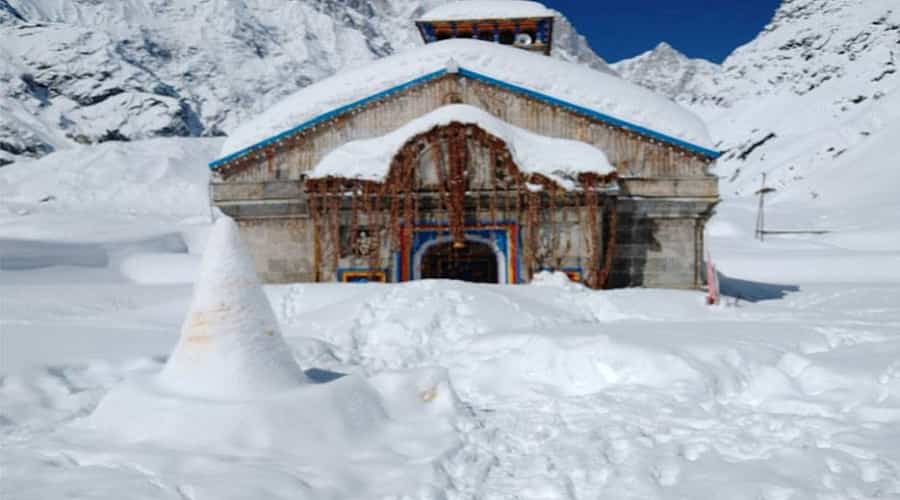
The temple is open to visitors only during the six months of the year when the Char Dham Yatra takes place. The rest of the year, the temple remains closed due to heavy snowfall in the region. The trek to the temple is a challenging one and takes several days to complete, but the scenic views of the Himalayas make it an unforgettable experience.
The temple is also an important site for the annual Kedarnath Yatra, which takes place in the months of May and June. During this time, thousands of devotees undertake the trek to the temple to offer their prayers and seek blessings from Lord Shiva.
The Kedarnath Temple was severely damaged during the 2013 North India floods, but has since been rebuilt and restored to its original form. The temple is now open for visitors again, and continues to be a major pilgrimage site for Hindus from all over the world.
History & Mythology
The history and mythology surrounding Kedarnath Temple is deeply rooted in Hinduism. According to Hindu mythology, Lord Shiva chose Kedarnath as his permanent abode, and the temple was built to honor him.
One of the most popular legends associated with Kedarnath is the story of the Pandavas, the five brothers from the Indian epic Mahabharata. The Pandavas, who were said to have been guilty of fratricide and other sins, sought Lord Shiva's forgiveness. Lord Shiva, who was aware of their plight, decided to test them before granting forgiveness. He took the form of a bull and disappeared into the ground. The Pandavas searched for him everywhere and finally found him at Kedarnath. Lord Shiva, pleased with their devotion, forgave them for their sins and blessed them. The temple at Kedarnath is believed to have been built by the Pandavas in honor of Lord Shiva.
Another legend states that the temple was built by the great sage, Adi Shankaracharya, in the 8th century AD. He is said to have discovered the image of Lord Shiva and built the temple around it.
Over the centuries, the temple has been destroyed and rebuilt several times, due to natural calamities and human invasions. The most recent restoration of the temple took place after the 2013 North India floods, which caused severe damage to the temple and the surrounding area.
Kedarnath is also an important site for the annual Kedarnath Yatra, which takes place in the months of May and June. During this time, thousands of devotees undertake the trek to the temple to offer their prayers and seek blessings from Lord Shiva.
Location
Kedarnath is located in the Indian state of Uttarakhand, in the northern region of the country. It is situated in the Garhwal Himalayas, near the Mandakini River, at an elevation of 3,583 meters (11,755 feet) above sea level. The temple is located in the Rudraprayag district, about 223 km from Rishikesh and about 358 km from Dehradun, the capital of Uttarakhand. The nearest major towns to Kedarnath are Gaurikund and Sonprayag, which are the starting points for the trek to the temple. The temple can only be reached on foot, as there are no roads leading to the temple.
Weather
The weather in Kedarnath, being located in the high altitude of the Garhwal Himalayas, can be quite unpredictable and can vary greatly depending on the time of year. The region experiences harsh winters with heavy snowfall, and the temple is closed during this time due to the harsh conditions. The best time to visit the temple is during the summer months of May to June, when the temple is open for visitors.
During the summer, the temperature ranges from 10°C to 25°C (50°F to 77°F) during the day and can drop to around 0°C (32°F) at night. The monsoon season which runs from July to September is not recommended to visit as it can cause landslides and flooding in the area.
As the trek to Kedarnath involves climbing to high altitudes, it is important to be prepared for the changes in temperature and weather conditions. It is important to carry warm clothing, as well as rain gear, even in the summer. It is also important to acclimatize oneself before the trek and to be aware of the symptoms of altitude sickness.
How to get there
There are several ways to get to Kedarnath from Dehradun, the capital of Uttarakhand. The most common way to reach Kedarnath is by road, which involves a combination of bus and trekking.
By Road:
Take a bus or hire a taxi from Dehradun to Gaurikund, which is the starting point of the trek to Kedarnath. The journey takes about 8-9 hours. From Gaurikund, it's a 14 km trek to reach Kedarnath.
Alternatively, you can take a bus or hire a taxi from Dehradun to Haridwar and then take another bus or taxi to Gaurikund. The journey takes around 7-8 hours.
By Helicopter:
One can also take a helicopter ride from Dehradun to Kedarnath, which takes around 45 minutes. The helicopter service is available from Sahastradhara helipad Dehradun to Kedarnath and back. The service is operated by the government and private companies.
Note: The helicopter service is subject to weather conditions and availability, and it's best to check in advance. Also, the helicopter ride may not be available during monsoon season.
It is important to note that the trek to Kedarnath is a challenging one and takes several days to complete, so it's important to be well prepared and in good physical condition before undertaking the journey. It is also important to check the weather and other conditions before planning a trip to Kedarnath.
Perfect Itinerary from Dehradun
Here is a itinerary for a trip to Kedarnath from Dehradun:
Day 1:
Travel from Dehradun to Gaurikund by bus or taxi (8-9 hours). Overnight stay in Gaurikund.
Day 2:
Start the trek from Gaurikund to Kedarnath (14 km). This will take about 6-7 hours. Overnight stay in Kedarnath.
Day 3:
Explore the temple and surrounding area. Offer prayers and seek blessings from Lord Shiva. Overnight stay in Kedarnath.
Day 4:
Trek back from Kedarnath to Gaurikund. Overnight stay in Gaurikund.
Day 5:
Travel back from Gaurikund to Dehradun by bus or taxi (8-9 hours).
Note: This itinerary is based on the assumption that you will be travelling by road. If you choose to travel by helicopter, the duration of the trip will be shorter and you can adjust the itinerary accordingly.
It's important to note that the trek to Kedarnath can be challenging, so it's important to be well prepared and in good physical condition before undertaking the journey. It's also important to check the weather and other conditions before planning a trip to Kedarnath and also to be aware of the symptoms of altitude sickness.
What to do in Kedarnath
Kedarnath is a popular pilgrimage site for Hindus and there are several things to do for visitors:
Visit the Kedarnath Temple:
The main attraction of Kedarnath is the temple dedicated to Lord Shiva. The temple is adorned with intricate carvings and sculptures, and is considered to be one of the most sacred places for Hindus. Visitors can offer prayers and seek blessings from Lord Shiva.
Take the trek:
The trek to Kedarnath is considered to be one of the most challenging in the region, but also one of the most beautiful. The trek takes visitors through stunning landscapes, including the Garhwal Himalayas, and offers breathtaking views of the surrounding mountains.
Explore the surrounding area:
There are several other temples and shrines in the area surrounding Kedarnath, including the Kedarnath Wildlife Sanctuary and the Gandhi Sarovar. Visitors can also take a dip in the natural hot springs in the area, believed to have healing properties.
Attend the Kedarnath Yatra:
The annual Kedarnath Yatra is a major pilgrimage event, which takes place in the months of May and June. During this time, thousands of devotees undertake the trek to the temple to offer their prayers and seek blessings from Lord Shiva.
Take a helicopter ride:
One of the most exciting things to do in Kedarnath is to take a helicopter ride from Dehradun to Kedarnath and back. It takes around 45 minutes and offers a bird eye view of the Garhwal Himalayas and beautiful landscapes. However, the service is subject to weather conditions and availability, and it's best to check in advance.
Stay in ashrams:
There are several ashrams in the area where visitors can stay. The ashrams provide accommodation, food and other facilities for the visitors.
Tips when travelling to kedarnath
Here are some tips to keep in mind when travelling to Kedarnath:
Plan ahead: It's best to plan your trip in advance to ensure that you have everything you need and to avoid any last-minute surprises. This includes booking accommodation, arranging transportation, and checking the weather forecast.
Acclimatize yourself: Kedarnath is located at a high altitude and it's important to acclimatize yourself before the trek. This can be done by spending a few days in a lower altitude location before the trek.
Pack light: The trek to Kedarnath is challenging, and it's important to pack light to make the journey easier. Pack only the essentials and leave any unnecessary items behind.
Wear comfortable shoes: A comfortable pair of shoes is essential for the trek. Make sure that your shoes are well-broken in and provide good support.
Carry enough water and snacks: Water and snacks are essential to keep you hydrated and energized during the trek. Make sure to carry enough water and snacks to last the entire journey.
Be aware of the local customs and traditions: Kedarnath is a sacred place for Hindus and it's important to be respectful of local customs and traditions. Dress modestly, remove shoes before entering the temple, and avoid taking photographs inside the temple.
Respect the environment: Kedarnath is situated in a fragile eco-system, it is advisable to avoid single-use plastics and practice Leave No Trace principles.
Get travel insurance: It is important to get travel insurance before embarking on a trip to Kedarnath, as the journey involves trekking in the high altitude and can be risky.
Be aware of the monsoon season: The monsoon season runs from July to September and the trek may be closed due to heavy rainfall, landslides and flooding.
Be flexible: Keep in mind that unexpected things can happen, weather conditions can change, and plans may need to be adjusted. Be prepared to be flexible and adapt to changing circumstances.
Things to carry
When planning a trip to Kedarnath, it's important to pack the right items to ensure a comfortable and safe journey. Here are some things to consider carrying with you:
Warm clothing: Kedarnath is located at a high altitude and the temperature can drop significantly at night. Pack warm clothing, including a jacket, thermal wear, gloves, and a hat.
Comfortable shoes: A comfortable pair of shoes is essential for the trek. Make sure that your shoes are well-broken in and provide good support.
Waterproof jacket and pants: It's a good idea to bring waterproof jacket and pants in case of rain or snow.
Backpack: A good backpack is essential to carry all your belongings during the trek. Make sure that your backpack is waterproof and has a good capacity.
Water and snacks: Water and snacks are essential to keep you hydrated and energized during the trek. Make sure to carry enough water and snacks to last the entire journey.
Headlamp or torch: A headlamp or torch is useful for the trek, especially if you plan to start early or finish late.
First Aid Kit: It's a good idea to carry a small first aid kit with basic essentials like band-aids, painkillers, and any personal medication you may need.
Cash: Kedarnath is a remote place and ATMs and card payments may not be available. It is recommended to carry enough cash for the trip.
ID proof: Carry a photocopy of your ID proof, it will be needed for registration and for helicopter ride if you choose to take one.
Personal hygiene items: Carry basic personal hygiene items like a towel, toilet paper, wet wipes, and sanitizer.
It's always best to be well-informed and prepared before undertaking any trip, especially one to a remote
Conclusion
Kedarnath is a popular pilgrimage destination for Hindus located in the Garhwal Himalayas. The trek to Kedarnath is considered to be challenging, but also one of the most beautiful in the region. The temple of Lord Shiva is the main attraction of Kedarnath and is considered to be one of the most sacred places for Hindus.
When planning a trip to Kedarnath, it's important to be aware of the weather conditions and the physical fitness required for the trek. It's also important to respect local customs and traditions and take necessary precautions against altitude sickness. Accommodation options include ashrams, guesthouses, hotels and camping.
It's important to plan ahead and book accommodation in advance, especially during peak seasons. It's also important to pack the right items to ensure a comfortable and safe journey. Carry enough cash, ID proof, and personal hygiene items. Be aware of the monsoon season, as the trek may be closed due to heavy rainfall, landslides, and flooding.
Kedarnath is a spiritual and serene place, and a visit there can be a rewarding experience. It's important to be well-informed and prepared before undertaking any trip to Kedarnath, and to be respectful of the environment.

♥🥀🙂
ReplyDelete