

Panda Nritya is a traditional folk dance of the Indian state of Uttarakhand. It is performed by the Pandav community, who are believed to be the descendants of the Pandav brothers from the Hindu epic Mahabharata. The dance is typically performed during festivals and celebrations, and is known for its graceful and fluid movements.
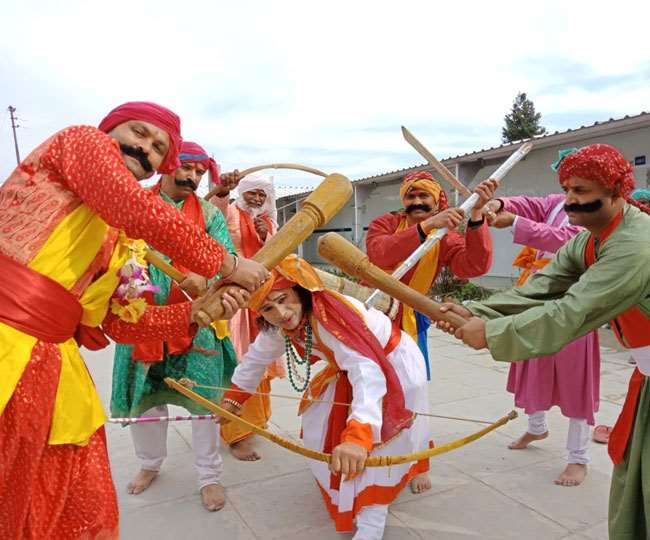
The dance is performed by both men and women, and is characterized by synchronized movements and intricate footwork. The dancers typically form a circle and take turns performing solo and group routines. The dance is accompanied by traditional musical instruments such as the dhol and the bansuri (flute).
The costumes worn by the dancers are colorful and traditional, and consist of a ghaghra (long skirt), a blouse, and a dupatta (long scarf). The dancers also wear jewelry such as bangles and earrings, which add to the elegance of the dance.
Panda Nritya is believed to have originated from the devotional dances performed by the Pandav community in honor of Lord Shiva. The dance is said to symbolize the devotion and love of the Pandav community towards the Lord. The dance is passed down through generations and considered an important part of the cultural heritage of Uttarakhand.
In addition to the Panda Nritya, there are many other folk dances in Uttarakhand such as Jhumal, Chancheri, Choliya, Langvir, Khuded, and many more. Each dance has its own unique style, costumes, and music, and they all reflect the rich cultural heritage of the state.

Folk dances of Uttarakhand are an important part of the cultural heritage of the state. They are performed during festivals and celebrations, and are an expression of the community's joy and happiness. The Panda Nritya is a famous folk dance of Uttarakhand, performed by the Pandav community, known for its graceful and fluid movements. The costumes worn by the dancers are colorful and traditional and the dance is accompanied by traditional musical instruments such as the dhol and the bansuri. These dances are passed down from generation to generation and are an important part of the cultural identity of the state.

If you have an doubts, Please let me know