


Char Dham Yatra in Uttarakhand is collectively referred to as the Chota Char Dham of India. The four Abodes in the Himalayas include four holy shrines of Hindus: Badrinath, Kedarnath, Gangotri, and Yamunotri.
All four of these temples are situated within the Garhwal region of Uttarakhand. The prominence of the Charm Dham Yatra is immense amongst Hindus. Moreover, it is believed that every Hindu should do Char Dham Yatra at least once in their lifetime.
One of the most popular pilgrimage routes, Chota Char Dham Yatra is undertaken by a quarter of a million devotees each year paying homage. With the hope of eliminating all sins to attain salvation through the blessings of the Lord.
In fact, devotees visit the shrines not only from India, but, also there is an immense growing popularity among foreign tourists, visiting out of curiosity and wanting to learn more about India, and its culture.
Given the stunning beauty, the Himalayan charm, dense forests, large valleys, and epic nature all around – Char Dham Yatra makes for the most majestic of journeys to partake in.
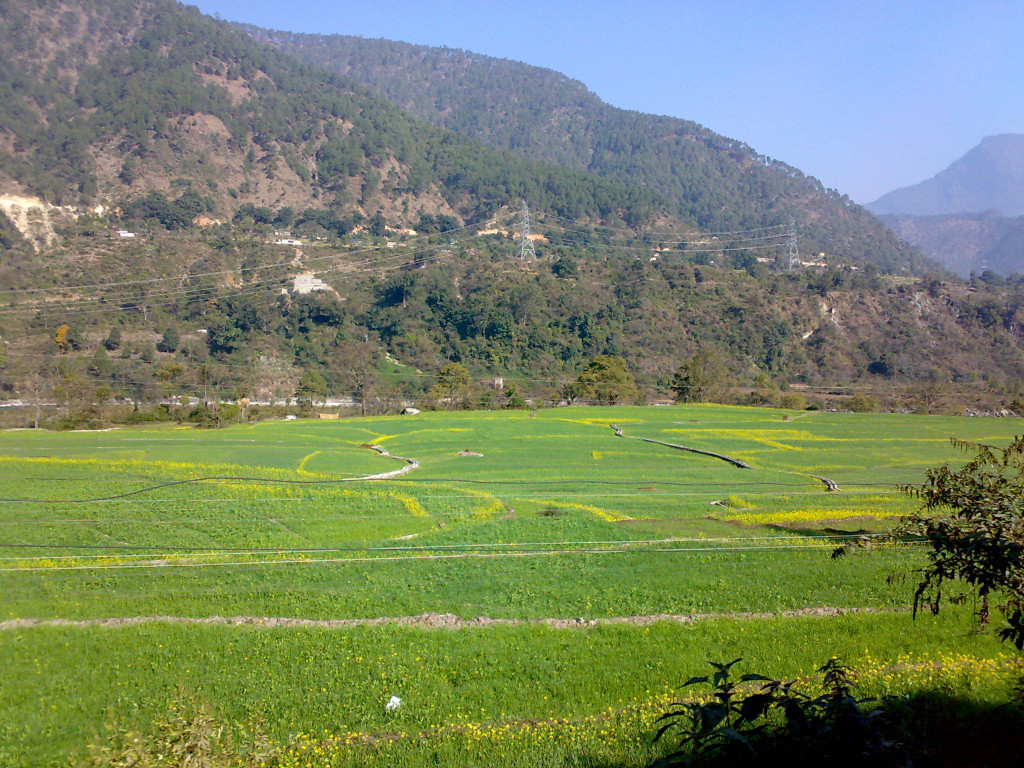
About Char Dham Yatra
In brief, Kedarnath is devoted to Lord Shiva while Badrinath is devoted to Lord Vishnu. Yamunotri and Gangotri are dedicated to Goddesses Ganga and Yamuna rivers respectively.
Char Dham Yatra of Uttarakhand can be covered in one go, taking about 10-15 days (depending on your schedule). In fact, you may also get helicopter services to cover Char Dham in a matter of two days.
History of Char Dham
The Great Reformer and Philosopher, Adi Shankaracharya, gathered together these Holy Pilgrimage places into a spiritual circuit around the 8th century. Generation followed generation and hundreds of thousands of devotees have kept up the tradition of covering these pilgrimage spots every year.
However, it should be noted that during the Winter season all Char Dham are closed for Six months due to Heavy snowfall all temples are inaccessible. The Gods and Goddesses are moved to their “Winter abodes” during this time.
Opening and Closing Dates of the Yatra
Usually, the period for partaking in this Yatra is from April End – October End. However, each year the Uttarakhand Government announces the dates of the opening and closing of the circuit. In the winter times, the 4 shrines are moved to their winter sojourns.
Namely, Ukhimath, Joshimath, Mukhba, and Kharsali for the deities of Kedarnath, Badrinath, Gangotri, and Yamunotri respectively. The gates to all these winter Dhams remain open for devotees – thus, technically you may visit the shrines all year long (albeit not in the same locations)
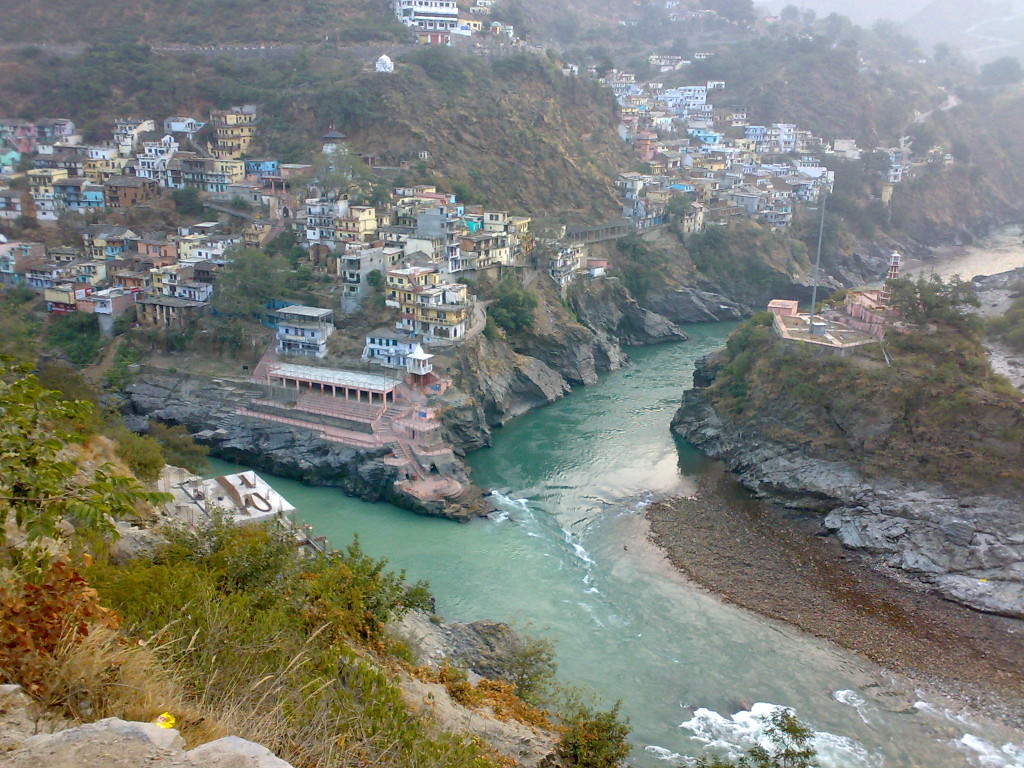
How to get there
In order to embark upon the Chota Char Dham Yatra, you’ll need to reach Haridwar. Here’s how.
By Air
Jolly Grant Airport, Dehradun is the nearest airport. In fact, from here, you may even take up a Helicopter service to Kedarnath and Badrinath. These are available from Delhi, Dehradun, Phata, Augustmuni, and Gauchar near Rudraprayag and Dehradun.
By Train
Rishikesh, Haridwar, Kotdwar, and Dehradun are well connected to major cities of India by Railway Network. From here you can get a bus or you can hire a taxi as well towards your onward journey.
Char Dham Yatra Route
As per Hindu Mythology, the auspicious and ever-so-important Yatra should be undertaken from west to east, in order to cover the holy places in a clockwise manner. Thus, it means that you should start off your pilgrimage from Yamunotri, then proceed to Gangotri, Kedarnath and finish your journey at Badrinath.
About the Char Dham Yatra
While the journey is a beautiful one, I want to highlight the importance of each of the shrines.
Yamunotri Dham
The original source of the Yamuna River, Yamunotri is surrounded by stunning high forested peaks and a large valley. Yamuna is known to be the second largest and one of the holiest rivers in India after Ganga. As per Hindu mythology, it is believed that Yamuna is the daughter of Surya (God of the Son) & the sister of Yama (God of Death).
It is believed that you will be washed of your sins when you visit Yamunotri. The tough journey, faith, and transcendent significance of the river motivate the pilgrims to their destination. Distinctive features of Yamunotri include hot springs where raw rice is cooked and turned into prasad. Also, there are many holy shrines, ashrams, and temples in and around the Dham.
Yamunotri is located at an altitude of 3293 mts, in the Garhwal region and situated about 40 km away from Barkot in Uttarkashi. While the actual source of Yamuna lies in the Yamunotri Glacier, at an elevation of 6,387 mts near Bandarpunch Peaks.
Other places of interest nearby include Surya Kund, Divya Shila, Janki Chatti, Hanuman Chatti, Saptarishi Kund Lake, etc.
History and Importance of Yamunotri
The temple at Yamunotri is dedicated to the goddess Yamuna. It should be noted that the main Deity of the temple is made up of Black marble. Built by Maharani Gularia of Jaipur in the 19th century, the current temple was created after the previous one was destroyed by climate activity.
The Yamunotri Shrine was originally constructed by Maharaja Pratap Shah of Tehri Garhwal on the left seashore of the Yamuna River.
Gangotri Dham
Unarguably the most important river for Hindus, Ganga is the most sacred river in the world. Gangotri is one of the original sources of Ganga (Ganges). It should be noted here that the foremost source of the river is “Gaumukh” – a glacier located 19 km from the Gangotri temple.

If you have an doubts, Please let me know